Breaking through a closed door
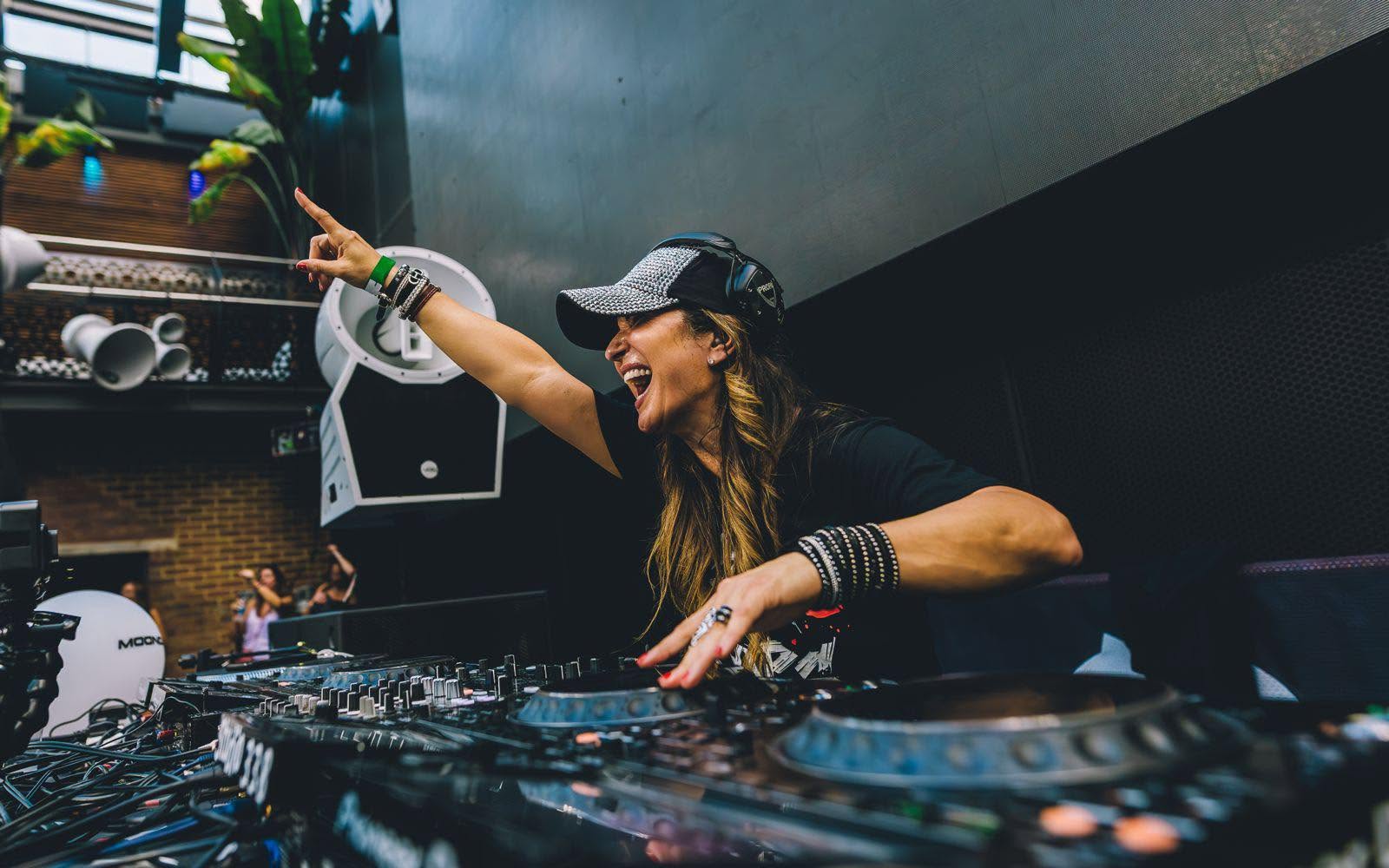
DJ Rap broke through in a scene that had almost no women behind the decks — and never looked back. It is worth being precise about what that means rather than treating it as a line in a biography. Early rave was not a scene that made space; it was one you took space in, on the strength of the set, in rooms that were not built to be welcoming.
She did that, and then kept going for three decades, which is the harder part. Plenty of careers survive a breakthrough. Far fewer survive the thirty years afterwards.
Musician first
The classical training shows up in the records. A producer who understands arrangement and harmony builds tracks differently from one working purely by ear on a drum machine — there's structure underneath, movement that resolves, and a sense of where a track is going rather than just how hard it hits.
As founder of Propa Talent she carried that into a label, which meant a platform for other people's music as well as her own. Across three decades she's moved from warehouse hardcore into deep, atmospheric bass, headlining stages across the world along the way.
Booking DJ Rap
A set with genuine range — she can pitch it at the harder end or take a room somewhere deeper and more atmospheric, and she reads a floor well enough to know which is called for.
Well suited to a headline slot on a bill that wants a name with real history behind it, and to festival programming where a set has room to develop.